

Invisalign in Boynton Beach: How Clear Aligners Fit Real Life
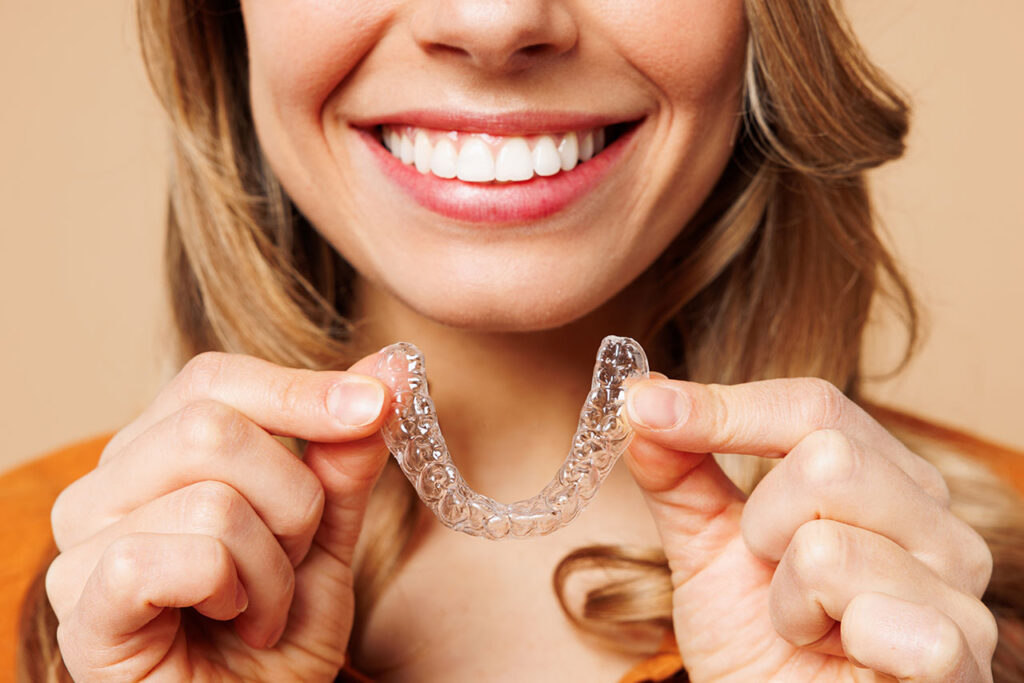
Have you ever wondered whether straighter teeth could be possible without brackets, wires, or major changes to your daily routine? For many teens and adults, Invisalign in Boynton Beach offers a discreet, removable way to guide teeth into healthier alignment while still making it easy to eat, brush, and keep up with a busy schedule.
At The Dental Boutique Boynton Beach, Invisalign treatment begins with a careful look at your teeth, bite, gum health, and smile goals. In addition, digital planning helps your dentist map out how your teeth may move over time, so the process feels organized from the beginning. Although clear aligners may look simple, successful Invisalign treatment depends on personalized planning, consistent wear, and attentive follow-up care.
What Invisalign clear aligners are designed to do
Invisalign uses a series of custom clear aligners that fit over your teeth. Each aligner is shaped to apply gentle pressure in specific areas, which helps guide teeth little by little. As you move through the series, your smile shifts toward the planned position. Because the aligners are clear and smooth, many patients find them easier to fit into school, work, social events, and everyday life.
However, Invisalign is not only about the way the aligners look. It can also help improve how teeth come together. Crowding, spacing, mild rotations, and certain bite concerns can make cleaning harder or place uneven pressure on specific teeth. Therefore, clear aligner treatment may support both cosmetic goals and long-term oral health goals when it is planned properly.
In addition, removable aligners make home care more straightforward than with fixed braces. Since you take the aligners out before eating and brushing, you do not have to clean around brackets or avoid as many foods. Still, the removable design comes with responsibility. For best results, aligners need to be worn as directed, often most of the day and night.
Is Invisalign right for every smile?
Invisalign can be a great solution for many patients, but it is not right for every case. The best candidates usually have healthy gums, good home care habits, and alignment needs that clear aligners can predictably address. During a consultation, your dentist will evaluate tooth positions, bite relationships, jaw function, and any existing dental work.
Some patients need treatment for crowding, where teeth overlap or sit too close together. Others want help closing small spaces between teeth. Meanwhile, some patients are concerned about teeth shifting after past orthodontic care. Invisalign may help in many of these situations, although more complex bite concerns may require a different orthodontic approach or a combined plan.
In addition, your dentist will check for active dental issues before treatment begins. Cavities, gum inflammation, worn restorations, or untreated grinding should be addressed first. This helps create a healthier foundation for movement. As a result, Invisalign treatment can begin with better stability and fewer interruptions.
What the Invisalign process looks like
The Invisalign process starts with an exam and digital records. Your dentist may take images or scans to understand the current position of your teeth. Then, a custom treatment plan is created to guide tooth movement. This plan helps determine how many aligners may be needed and how often you should return for progress checks.
Once your aligners are ready, you will receive instructions on how to wear and care for them. Most patients remove aligners only for eating, drinking anything besides water, brushing, and flossing. Because aligners need consistent wear to work properly, keeping them in for the recommended amount of time each day is one of the most important parts of treatment.
As treatment continues, you will switch to the next set of aligners on the schedule provided by your dental team. You may feel gentle pressure for a short time after changing trays, which is a normal sign that the aligner is encouraging movement. However, severe pain, cracks in an aligner, or a tray that does not fit correctly should be reported to the office.
Follow-up visits are also important. During these appointments, your dentist can monitor tooth movement, answer questions, and make adjustments if needed. Although Invisalign is convenient, it is still a guided dental treatment, not a do-it-yourself shortcut. Therefore, professional oversight helps protect your smile and your results.
Benefits of Invisalign
Invisalign is popular because it blends modern orthodontic planning with everyday flexibility. While each patient is different, many people appreciate these benefits of Invisalign:
- Discreet design: Clear aligners are difficult to notice in most daily situations, which makes treatment feel more private.
- Removable convenience: Aligners come out for meals, brushing, and flossing, so daily routines can feel familiar.
- No food restrictions from brackets: Since you remove aligners before eating, you do not have the same concerns about food breaking wires or brackets.
- Easier oral hygiene: Brushing and flossing can be simpler because there are no fixed orthodontic parts to clean around.
- Comfortable smooth material: The aligners are made to fit closely over teeth, without metal brackets rubbing against the cheeks.
- Digital planning: Your dentist can map tooth movement and monitor progress throughout the process.
- Useful for many adult lifestyles: Invisalign can fit around meetings, photos, travel, and family responsibilities with fewer visible changes.
In addition, straighter teeth may be easier to clean. When teeth are crowded or overlapping, plaque can collect in tight areas. Over time, that can make home care more challenging. Therefore, improving alignment may support healthier gums and a more balanced bite, especially when combined with routine preventive care.
How Invisalign supports oral health
Many people think of Invisalign as a cosmetic treatment, and it can certainly help create a more balanced smile. However, alignment also affects function. When teeth are crowded, rotated, or spaced unevenly, chewing forces may not be distributed as evenly as they should be. Over time, that can contribute to wear, soreness, or difficulty keeping certain areas clean.
With Invisalign, the goal is to create a tooth position that supports both aesthetics and function. In addition, improved alignment can make routine cleanings more effective. At The Dental Boutique Boynton Beach, patients can pair clear aligner care with family dentistry and preventive care so their teeth and gums stay healthy throughout treatment.
Meanwhile, patients with worn teeth, missing teeth, or cosmetic concerns may need a broader smile plan. For example, Invisalign may be completed before restorative or cosmetic treatment so the teeth are in a better position first. In other situations, Invisalign may be one part of a larger plan that includes whitening, bonding, or veneers. A consultation helps determine the right sequence.
Daily habits that help Invisalign treatment stay on track
Clear aligners work best when they are worn consistently. Therefore, one of the most helpful habits is creating a routine. Some patients keep their aligner case with them everywhere, while others set phone reminders after meals. Since aligners can be misplaced when wrapped in napkins or placed on a tray, using the case every time is a simple way to avoid delays.
Cleaning habits also matter. Brush your teeth before putting aligners back in whenever possible. This helps reduce the chance of trapping food particles or sugars against your teeth. In addition, rinse aligners regularly and follow your dentist’s cleaning instructions. Hot water should be avoided because it can warp the plastic and affect the fit.
Food and drinks deserve attention as well. Aligners should be removed before meals and before drinking anything besides water. Coffee, tea, juice, sports drinks, and soda can stain aligners or increase cavity risk if trapped under the trays. As a result, keeping water nearby is a smart habit during treatment.
Finally, attend your checkups. Even when treatment feels easy, progress visits allow your dentist to confirm that the aligners are fitting properly and teeth are moving as planned. If something changes, early guidance can help keep treatment moving in the right direction.
What happens after Invisalign treatment?
After Invisalign treatment, retainers are usually needed to help maintain your results. Teeth naturally experience forces from chewing, speaking, and the surrounding muscles. Because of that, they can shift over time without retention. Your dental team will explain how often to wear your retainers and how to care for them.
In addition, regular dental visits remain important after aligner treatment. Cleanings, exams, and bite checks help protect your newly aligned smile. If you clench or grind, your dentist may recommend a protective appliance to help reduce wear. Meanwhile, if you have additional cosmetic or restorative goals, those can be planned after alignment is stable.
Invisalign is often a meaningful first step because it can create a healthier arrangement before other dental treatments. For instance, properly aligned teeth can make veneers, crowns, or implants easier to plan in some cases. However, every smile is different, so your dentist should guide the timing.
A clearer way to straighten your smile
Invisalign can be a comfortable, discreet option for patients who want a straighter smile without fixed braces. With digital planning, consistent wear, and professional support, clear aligners can fit into real life while helping improve both smile balance and oral health.
Interested in Invisalign in Boynton Beach? Contact The Dental Boutique Boynton Beach at 561-424-6500 to Book an Appointment and find out whether clear aligners are a good fit for your goals.

