

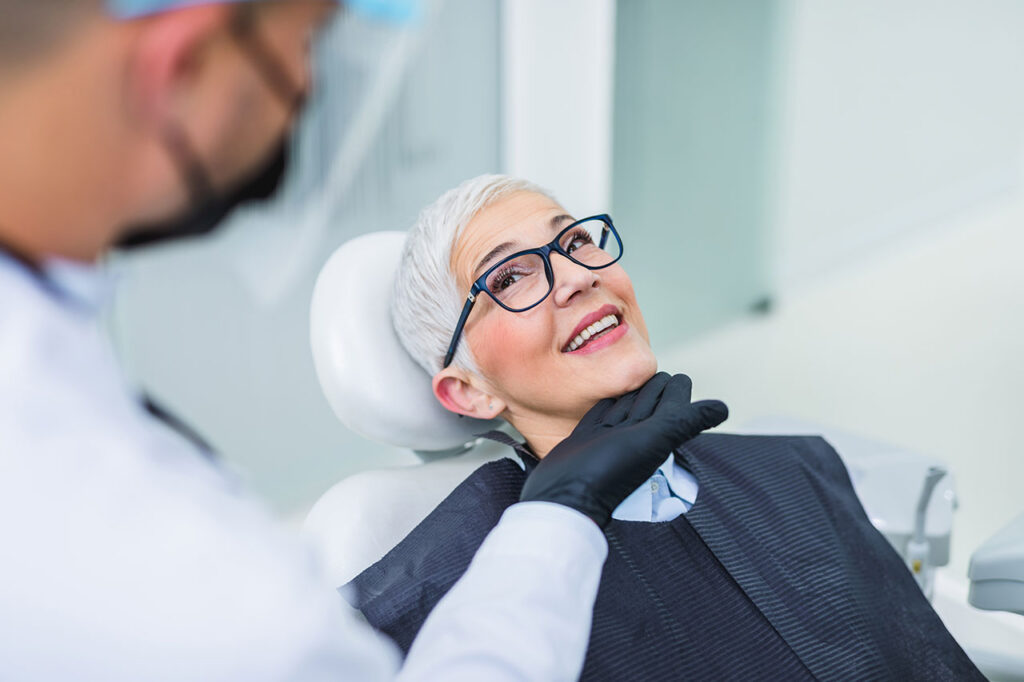
Missing teeth can affect more than the way your smile looks. They can also change how you chew, speak, clean your teeth, and feel during everyday moments. For patients comparing missing teeth solutions in Boynton Beach, The Dental Boutique Boynton Beach offers options such as dentures and partials, implant-supported restorations, and personalized treatment planning based on your oral health.
The best missing teeth solution is not the same for every patient. Some people need to replace one tooth, while others need help with several teeth or a full arch. In addition, your bite, bone support, gum health, budget, timeline, and comfort preferences all matter. A consultation can help you compare choices clearly so you can make a confident decision.
Why replacing missing teeth matters
When a tooth is missing, the empty space can affect the rest of the mouth. Nearby teeth may gradually shift. Opposing teeth may move into the open space. As a result, the bite may become uneven. In addition, food can collect in the gap, which may make cleaning more difficult and increase the chance of irritation.
Chewing can also change. Many patients begin favoring one side of the mouth without realizing it. Over time, uneven chewing forces may place added stress on certain teeth. Meanwhile, missing front teeth can affect speech and confidence. Missing back teeth may affect the ability to chew certain foods comfortably.
Tooth loss can also affect the jawbone. Natural tooth roots help stimulate the bone during chewing. When a tooth root is no longer present, the bone in that area may gradually change shape. Although every patient is different, this is one reason dental implants may be discussed as part of a long-term tooth replacement plan.
Option one, dentures and partials
Dentures and partials are removable appliances designed to replace missing teeth. A full denture replaces an entire upper or lower arch. A partial denture replaces several missing teeth while using remaining natural teeth for support. These options can restore the appearance of a complete smile and help improve chewing ability.
Partial dentures can be especially useful when multiple teeth are missing in different areas. They fill spaces, help reduce shifting, and provide a practical solution when fixed treatment is not preferred. Full dentures can help support the lips and cheeks when all teeth in an arch are missing.
However, removable dentures may require an adjustment period. Patients may need practice with speaking and chewing. In addition, dentures may need relines or replacement over time because the gums and jaw can change shape. Even so, many patients appreciate dentures and partials because they are versatile and can be designed to look natural.
Option two, dental implants
Dental implants are designed to replace the root area of a missing tooth. After an implant is placed in the jawbone and heals, it can support a crown, bridge, or denture. For many patients, dental implants feel secure because they are anchored in the jaw rather than resting only on the gums.
A single implant can replace one missing tooth without reshaping neighboring teeth. Several implants can support a bridge when multiple teeth are missing. In addition, implants can help stabilize dentures for patients who want more support than traditional removable appliances provide.
However, dental implants require healthy supporting tissues and enough bone for placement. Some patients may need preparatory care before implant treatment, such as gum therapy, extractions, or bone grafting. Therefore, an exam and imaging are necessary to determine whether implants are appropriate.
Option three, implant-supported dentures
Implant-supported dentures combine features of dentures and implants. Instead of relying only on suction or adhesive, the denture connects to dental implants. This can help reduce movement and improve comfort during meals and conversation. Many patients who struggle with loose dentures ask whether this option could help.
There are different types of implant-supported dentures. Some are removable by the patient for cleaning, while others are fixed and removed only by the dental team. The right design depends on the number of implants, bone support, cleaning ability, budget, and long-term goals.
In addition, implant-supported dentures require ongoing maintenance. The implants, denture attachments, gums, and bite all need regular checks. Still, for many patients, the added stability can make daily life feel easier.
Benefits of missing teeth solutions
Missing teeth solutions can improve appearance, function, comfort, and long-term oral health. While each replacement option offers different advantages, the benefits of missing teeth solutions may include:
- Improved chewing comfort: Replacing missing teeth can make it easier to enjoy meals with better balance.
- Clearer speech support: Teeth help form certain sounds, so replacement teeth may improve speech confidence.
- A more complete smile: Tooth replacement fills visible gaps and supports natural-looking facial balance.
- Reduced tooth shifting: Filling open spaces can help neighboring teeth stay in better position.
- Better bite support: Replacing missing teeth can distribute chewing forces more evenly.
- More treatment flexibility: Patients may choose removable, fixed, or implant-supported options when appropriate.
- Support for daily confidence: A complete smile can make social, professional, and family moments feel more comfortable.
In addition, replacing missing teeth can help protect existing dental work. When a gap changes the bite, nearby fillings, crowns, or natural teeth may receive extra pressure. A well-planned replacement can help create a healthier chewing pattern.
How to compare your tooth replacement choices
Choosing a missing teeth solution starts with understanding your priorities. Some patients value stability above all else. Others want a removable option, a faster timeline, or a treatment that fits a specific budget. In addition, some patients want to avoid surgery, while others are comfortable considering implant-based care for long-term support.
Your dentist will also evaluate clinical factors. Bone levels, gum health, remaining teeth, bite alignment, medical history, and oral hygiene habits can all influence the recommendation. For example, a patient with strong neighboring teeth may be a candidate for an implant. A patient missing several teeth may need a partial, bridge, or implant-supported option. Meanwhile, a patient with loose dentures may benefit from discussing implant support.
Maintenance should also be part of the decision. Dentures must be removed and cleaned daily. Dental implants need careful brushing, flossing, and professional monitoring. Implant-supported dentures require cleaning around attachments and implants. Therefore, the best option should match both your mouth and your ability to care for it consistently.
What happens during a tooth replacement consultation?
During a consultation, your dentist will ask about your concerns, goals, and health history. You may discuss how long the teeth have been missing, whether you have pain, whether you currently wear a denture or partial, and what you hope your new smile will help you do more comfortably.
Next, the dentist will examine your mouth and may recommend images to evaluate bone and tooth support. If remaining teeth need treatment, that may be planned before the final replacement. For example, gum inflammation, cavities, or unstable teeth should be addressed so the replacement has a healthier foundation.
Then, your dentist can explain your options in plain language. You should understand how each choice works, how long it may take, what maintenance involves, and what results you can reasonably expect. This conversation helps you move forward with a plan that feels practical and personalized.
Daily care after replacing missing teeth
After treatment, daily care is essential. Dentures and partials should be cleaned as directed and stored properly when not in use. Natural teeth should still be brushed and flossed every day. If you have implants, your dental team may recommend special floss, small brushes, or a water flosser.
Regular checkups are also important. Your dentist can evaluate fit, bite balance, gum health, and the condition of replacement teeth. If something feels loose, sore, or uneven, it is better to call early. Small adjustments can often prevent bigger concerns.
In addition, avoid using replacement teeth or natural teeth as tools. Do not bite hard objects, open packaging, or chew ice. These habits can damage restorations and natural enamel. With the right maintenance, your tooth replacement can continue supporting your smile for years.
A complete smile can feel possible again
Missing teeth solutions in Boynton Beach can help restore comfort, function, and confidence with options tailored to your needs. Whether you are interested in dentures, partials, implants, or a combination plan, the best first step is a personalized conversation.
Ready to compare missing teeth solutions in Boynton Beach? Contact The Dental Boutique Boynton Beach at 561-424-6500 to Book an Appointment and find out which replacement option may fit your smile.