

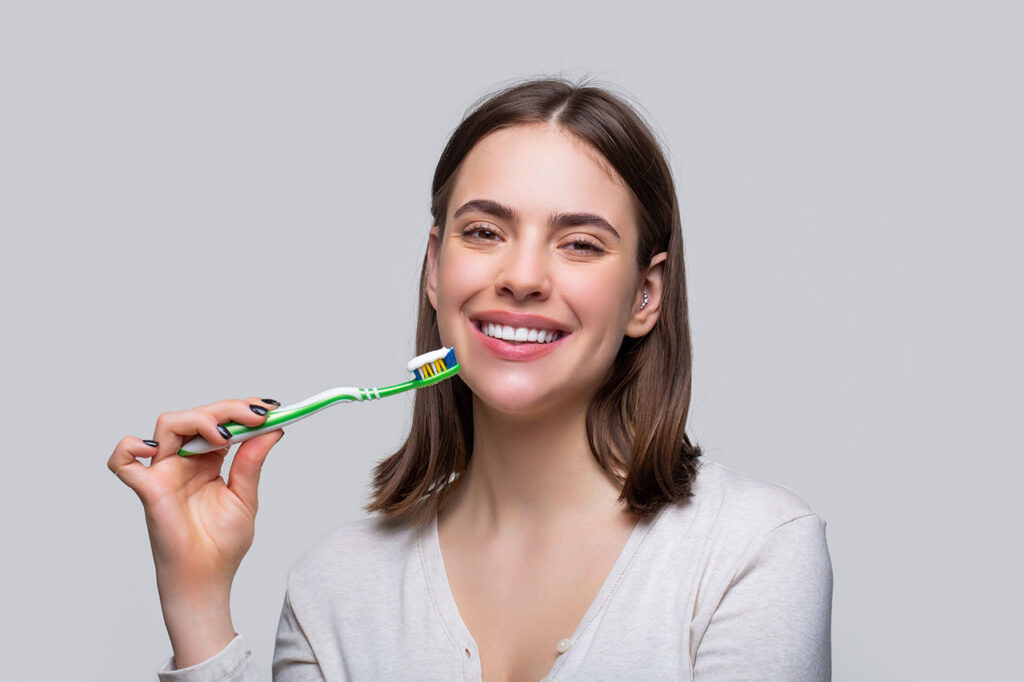
What if one of the best ways to avoid dental surprises was also one of the simplest? With preventive dental care in Boynton Beach, routine checkups and cleanings can help patients protect their teeth, support gum health, and catch concerns before they become more uncomfortable or complex.
At The Dental Boutique Boynton Beach, preventive dental care is built around education, early detection, and personalized recommendations. In addition, regular visits give your dental team a chance to understand your habits, track changes, and help you maintain a healthier smile between appointments.
What preventive dental care includes
Preventive dental care includes the services and habits that help reduce the risk of cavities, gum disease, enamel wear, oral infections, and dental emergencies. In the office, this often includes dental exams, professional cleanings, digital X-rays when needed, gum measurements, oral cancer screenings, fluoride guidance, and home care coaching.
However, preventive dental care does not stop when the appointment ends. Daily brushing, flossing, hydration, balanced nutrition, and smart snack habits are also part of prevention. Because plaque forms every day, consistency matters. Even small daily choices can affect the long-term health of your teeth and gums.
In addition, preventive visits allow your dentist to monitor restorations such as fillings, crowns, veneers, dentures, and implants. A restoration may look fine to a patient but show early signs of wear, leakage, looseness, or bite stress during an exam. Therefore, prevention also protects dental work you have already invested in.
Why professional cleanings are important
Brushing and flossing are essential, but they cannot always remove hardened tartar. Once plaque hardens, it needs professional cleaning instruments to be removed safely. If tartar remains around the gumline, it can contribute to inflammation, bleeding, bad breath, and gum disease progression.
During a cleaning, the dental hygienist removes buildup from the teeth and around the gums. Then, the teeth are polished to remove surface stains and create a smoother feel. In addition, your hygienist may point out areas that need extra attention at home. This feedback can make your daily routine more effective.
Regular cleanings can be especially helpful for patients with crowded teeth, dental implants, braces or aligners, dry mouth, a history of gum disease, or difficulty flossing. Meanwhile, some patients may need cleanings more often than every six months depending on their gum health and risk factors. Your dentist can recommend the right schedule for you.
Benefits of preventive dental care
Preventive dental care helps patients stay ahead of problems rather than waiting for pain to appear. While every smile is different, the benefits of preventive dental care may include:
- Early cavity detection: Small cavities are often easier to treat than larger areas of decay.
- Healthier gums: Cleanings help remove buildup that can irritate the gums and contribute to inflammation.
- Fresher breath: Reducing plaque, tartar, and trapped food particles can support cleaner breath.
- Protection for restorations: Exams help monitor fillings, crowns, veneers, dentures, and implants.
- Fewer dental emergencies: Early detection may reduce the chance of sudden pain from untreated problems.
- Personalized home care guidance: Your dental team can recommend tools and techniques based on your mouth.
- Long-term cost control: Preventing or catching concerns early may help avoid more involved treatment later.
In addition, preventive dental care can help patients feel more confident about their oral health. Instead of guessing whether a symptom is serious, you have regular opportunities to ask questions and receive clear guidance.
How dental exams catch small changes
A dental exam gives your dentist a detailed look at teeth, gums, bite, jaw function, and soft tissues. Your dentist may check for cavities, cracks, worn enamel, gum recession, signs of grinding, loose restorations, infection, and changes in oral tissues. In addition, digital images may reveal concerns that cannot be seen during a visual exam alone.
Small changes matter because dental problems often begin quietly. A cavity may not hurt at first. Gum disease may cause mild bleeding before it causes discomfort. A cracked tooth may only feel sensitive when chewing in a certain direction. Therefore, waiting for pain can allow conditions to progress.
Preventive dental care helps shift the focus from reacting to symptoms to maintaining stability. For example, if a filling is weakening, your dentist may monitor it or recommend replacement before the tooth breaks. If the gums are inflamed, early treatment and better home care may help prevent deeper gum problems. As a result, routine exams can support more conservative care.
Preventive care for patients with dental anxiety
Patients who feel anxious about dental visits may avoid care until something hurts. Unfortunately, that can make appointments feel more stressful because treatment needs may be greater. Preventive dental care can help break that pattern by making visits shorter, more predictable, and focused on maintenance.
If anxiety has kept you away from the dentist, share that with the team. A supportive dental office can explain each step, move at a comfortable pace, and answer questions before treatment begins. In addition, patients with stronger anxiety may ask about oral sedation for selected visits or procedures when appropriate.
Comfort also improves with familiarity. When you visit regularly, the office, team, and process may feel less intimidating. Meanwhile, your dental team can get to know your preferences, such as whether you like detailed explanations, breaks during care, or extra time to ask questions.
How prevention supports cosmetic and restorative goals
Many patients think about cosmetic dentistry when they want a brighter or more balanced smile. However, healthy teeth and gums should come first. Preventive dental care helps create the foundation for treatments like veneers, Invisalign, dental implants, and whitening.
For example, veneers require healthy gums and stable teeth for the best result. Invisalign works best when cavities and gum inflammation are addressed before aligners begin. Dental implants need careful planning and healthy supporting tissues. Therefore, preventive care can help make future treatment more predictable.
Restorative care also benefits from prevention. If you have dentures and partials, checkups allow the dentist to evaluate fit, tissue health, and remaining teeth. If you have crowns or fillings, routine exams can help identify early wear or leakage. As a result, preventive visits protect both natural teeth and dental restorations.
Home habits that strengthen preventive care
Your daily routine is the foundation of preventive dental care. Brush at least twice a day with fluoride toothpaste, and clean between teeth daily. If traditional floss is difficult, ask whether floss picks, interdental brushes, or a water flosser may help. The best tool is often the one you can use consistently and correctly.
In addition, watch how often you sip or snack on sugary or acidic items. Frequency matters because repeated exposure gives bacteria more opportunities to produce acids that weaken enamel. Drinking water throughout the day can help rinse the mouth and support saliva, which naturally helps protect teeth.
Patients who grind or clench may need extra protection. A nightguard can help reduce wear and stress on teeth and restorations. Meanwhile, athletes should consider a mouthguard for sports. Preventive dental care includes these protective steps because they reduce the risk of damage before it happens.
Finally, do not ignore small symptoms. Sensitivity, bleeding gums, jaw soreness, rough edges, or food catching between teeth can be early signs that something needs attention. Calling sooner often makes care simpler.
A healthier smile starts with routine care
Preventive dental care can help you protect your smile through regular cleanings, thoughtful exams, and practical home care guidance. By staying consistent, patients can reduce risk, catch concerns earlier, and feel more informed about their oral health.
Ready to schedule preventive dental care in Boynton Beach? Contact The Dental Boutique Boynton Beach at 561-424-6500 to Book an Appointment and keep your smile moving in a healthy direction.