

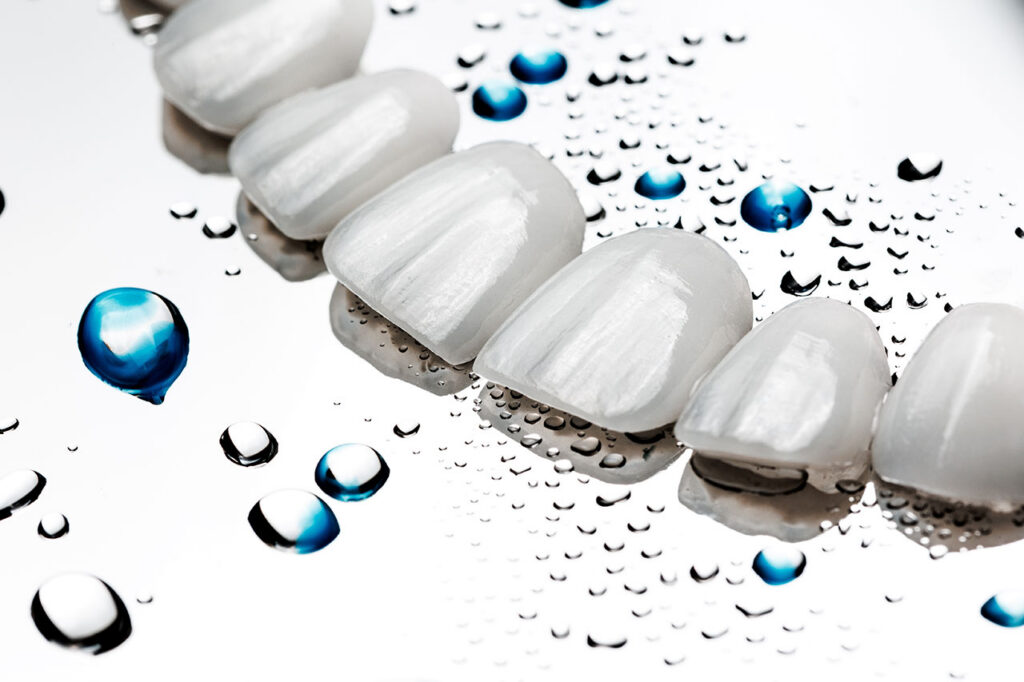
What if a few carefully planned changes could help your smile look more balanced while still feeling like you? For patients exploring veneers in Boynton Beach, the goal is not to create a one-size-fits-all look. Instead, dental veneers can be customized to complement your facial features, your bite, and the smile style you prefer.
At The Dental Boutique Boynton Beach, veneer treatment is planned with comfort, proportion, and long-term oral health in mind. In addition, your dentist can evaluate whether veneers are the best choice or whether another cosmetic option, such as whitening, bonding, Invisalign, or restorative care, may better support your goals.
What dental veneers can change
Dental veneers are thin, custom-made coverings placed on the front surfaces of selected teeth. They are often used to improve tooth shape, shade, size, and symmetry. Because veneers are designed individually, they can create a polished result while still matching the personality of your smile.
Patients may consider veneers for teeth that look worn, uneven, small, chipped, or resistant to whitening. However, veneers are not simply placed for looks alone. A well-planned veneer case should also respect your bite, gumline, tooth structure, and daily function. Therefore, the consultation phase is one of the most important parts of treatment.
In addition, veneers can be used in different ways. Some patients choose one or two veneers to blend specific teeth with the rest of their smile. Others choose a broader smile design when several front teeth would benefit from coordinated changes. Meanwhile, some patients may need orthodontic or gum care first so the final result is healthier and more predictable.
Porcelain veneers and composite options
When patients ask about veneers, they are often thinking of porcelain veneers. Porcelain is popular because it can reflect light in a way that resembles natural enamel. It is also stain resistant compared with many direct bonding materials. Because porcelain veneers are made in a dental laboratory, the planning process includes careful shade, shape, and fit decisions.
Composite bonding is another cosmetic option that may be used to improve small chips, edges, or spaces. It is typically applied directly to the tooth in the office. While bonding can be a conservative and efficient choice for certain concerns, it may not last as long or resist staining as porcelain. However, it can be a good solution for patients who want a smaller update or who are not ready for porcelain veneers.
The right choice depends on your smile goals, tooth condition, bite forces, budget, and timeline. In some cases, porcelain veneers provide the most durable and refined result. In other cases, bonding, whitening, or Invisalign may be recommended before or instead of veneers. A personalized evaluation helps avoid unnecessary treatment and supports a more natural outcome.
What happens during the veneer process?
The veneer process usually starts with a consultation. Your dentist will listen to your goals, examine your teeth and gums, review your bite, and discuss what is realistically possible. Photos, scans, or impressions may be taken to help with planning. In addition, you may discuss the preferred shade and shape of the final veneers.
Next, your dentist may recommend a smile preview or mockup. This step can help you visualize the proposed changes before the final veneers are made. It also allows you to give feedback. For example, you may prefer a softer edge, a slightly brighter shade, or a shape that blends closely with your natural teeth.
If porcelain veneers are chosen, a small amount of enamel may need to be reshaped so the veneers can fit naturally. Then, temporary veneers may be placed while the final restorations are being made. Once the final veneers are ready, your dentist checks the fit, color, and bite before bonding them securely to the teeth.
After placement, you may need a short adjustment period. Your tongue and bite may notice the new contours at first. However, well-designed veneers should feel smooth, comfortable, and functional. If anything feels uneven when you bite, your dentist can make refinements.
Benefits of dental veneers
Dental veneers can offer meaningful advantages for patients who want a customized cosmetic treatment. Although each smile plan is unique, the benefits of dental veneers may include:
- Customized smile design: Veneers can be shaped and shaded to match your features, preferences, and natural smile.
- Natural-looking materials: Porcelain veneers can mimic the way enamel reflects light, which helps create a lifelike result.
- Improved tooth proportions: Veneers can help adjust tooth length, width, and outline for a more balanced smile.
- Coverage for stubborn discoloration: Veneers may help when certain stains or color differences do not respond well to whitening.
- Repair of minor chips or worn edges: Veneers can restore a smoother, more even tooth surface in selected cases.
- Long-lasting cosmetic support: With good care, veneers can provide durable results for many patients.
- Confidence in daily moments: A carefully planned smile update can help patients feel more at ease in conversations and photos.
In addition, veneers can sometimes reduce the need for repeated small repairs on front teeth when bonding has chipped or stained over time. However, veneers are still dental restorations. They need healthy gums, a stable bite, and consistent maintenance to perform well.
How veneers compare with whitening, bonding, and Invisalign
Many patients begin by wondering whether veneers are the fastest way to reach their goals. Sometimes they are. However, the best cosmetic plan depends on what you want to change. Whitening changes tooth color, but it does not change tooth shape or position. Bonding can repair small areas, but it may not provide the same strength or stain resistance as porcelain. Invisalign can move teeth, but it does not change the size or shade of the teeth.
Because each option solves a different problem, your dentist may recommend combining treatments. For example, Invisalign may be used first to improve alignment, then veneers may be placed on selected teeth for shape and shade. In another case, whitening may be completed before veneers so the final shade blends with natural teeth. Meanwhile, a patient with missing teeth may need dental implants or other restorative care before cosmetic treatment is completed.
This sequencing matters because it helps create a stable, harmonious result. If veneers are placed before bite or alignment concerns are addressed, the final restorations may experience unnecessary stress. Therefore, a thoughtful plan can help protect both the look and the longevity of your smile.
Protecting your veneers after treatment
Veneers are strong, but they are not indestructible. Good daily habits can help protect them. Brush twice a day with a non-abrasive toothpaste, floss daily, and keep regular dental visits. In addition, avoid biting hard objects like ice, pens, fingernails, or packaging. These habits can chip natural teeth as well as veneers.
If you clench or grind your teeth, your dentist may recommend a nightguard. This is especially important because grinding can place heavy forces on veneers while you sleep. A custom guard can help distribute pressure and reduce the risk of chips, cracks, or wear.
Diet and beverage habits can also matter. Porcelain resists stains better than many materials, but the natural teeth around veneers can still change color. Therefore, routine cleanings and healthy home care help keep the entire smile looking balanced. If you drink coffee, tea, or red wine often, rinsing with water afterward can be a helpful habit.
Most importantly, do not skip follow-up care. Your dentist can check the edges of veneers, evaluate your gums, and make sure your bite remains comfortable. Small adjustments and early guidance can help protect your investment over time.
Choosing a smile style that feels like you
Modern veneer treatment should not feel rushed or generic. Some patients want a bright, refined look. Others prefer a subtle refresh that friends and family may notice only as a healthier, more rested smile. Both goals are valid. The key is communication.
During planning, discuss the details that matter to you. Shape, translucency, edge design, shade, and tooth length all influence the final result. In addition, your dentist can help you understand how your gumline, lips, and bite affect the design. When these details are considered together, veneers can enhance your smile without looking artificial.
It is also helpful to bring questions. How many veneers are needed? Will enamel be removed? How long will temporaries be worn? What maintenance is required? What happens if a veneer chips years later? Clear answers help you feel prepared and confident before treatment begins.
A personalized path to a refreshed smile
Veneers can be a beautiful option for patients who want to improve tooth shape, shade, and balance with a customized plan. Since the best results begin with healthy teeth, stable gums, and thoughtful design, a consultation is the right place to start.
Ready to learn more about veneers in Boynton Beach? Contact The Dental Boutique Boynton Beach at 561-424-6500 to Schedule a Consultation and explore a smile design that fits your goals.